



Raw Vietnamese Hair vs. Indian Raw Hair: Which Is Better?
03/11/2026
Author: Hà Nguyễn
Follow HairVietnam on 
Content
Raw Vietnamese hair vs raw Indian hair is mostly a question of what your clients wear. Vietnamese hair usually grows straight, dark and thick in the strand, so it suits sleek installs, silk presses and wigs that need weight. Indian hair is more often naturally wavy, a bit finer and lighter, and there's a lot more of it on the market, which keeps the price per bundle lower. Neither one wins across the board. We only sell Vietnamese hair, so keep that in mind as you read. What follows is how the two differ once they're installed, and how to test both before you stock either.
Most Vietnamese hair grows straight, dark brown to black, with a thick, strong strand and the cuticle still on and running one way. Some donors have a natural wave or bend. We sell that as wave hair as it grew, without steaming a pattern into it. Our raw Vietnamese hair guide goes further into how it's sourced and how to pick a good bundle.
That difference matters more than the country. Temple hair can keep its cuticles aligned if it's tied before cutting. Collected hair has roots and tips facing every direction, so it tangles unless it's acid-washed or coated, and it's usually sold as non-remy or processed hair. Both can end up labeled "raw Indian hair." So when two vendors quote you very different prices for it, they may be selling two different products.
Natural Indian hair runs from straight to loose wave to curly, often with a medium or finer strand, in shades from black to soft dark brown. If you're sourcing from India, we've written about what to look for in raw Indian hair vendors
Indian hair has more movement. A lot of it dries with a natural body wave and curls up a little when wet, which helps it blend with naturally textured hair worn out. Clients who want a full, lived-in wave often prefer it.
One warning applies to both. If every bundle in a shipment has the same tight, perfect deep wave, the pattern was probably steamed in. Natural wave varies from donor to donor. If your clients mostly book straight or body wave installs, our Vietnamese weave bundles are sorted by texture and length.
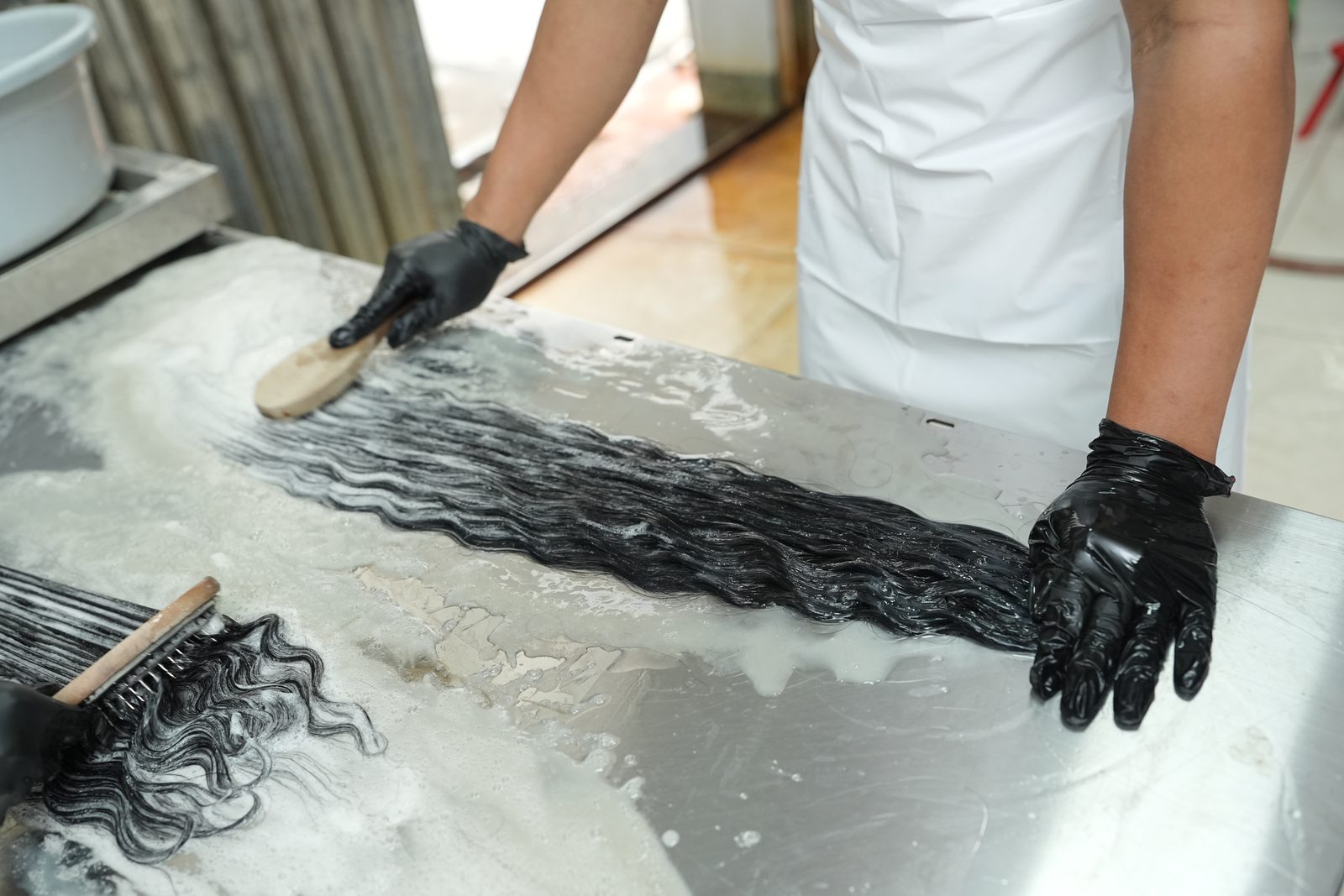
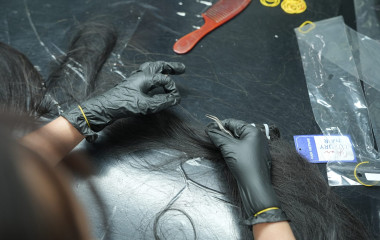
A gloved hand works a brush through a wavy dark hair bundle covered in white foam on a steel table
Bundle fullness is about how much short hair was left in, and that's down to the factory, not the country. A bundle can be thick-stranded Vietnamese hair and still taper to a wisp if it's single drawn. Temple hair comes in many lengths at once, so it needs careful drawing to keep the ends full. Our guide to single drawn and double drawn hair shows what that looks like side by side.
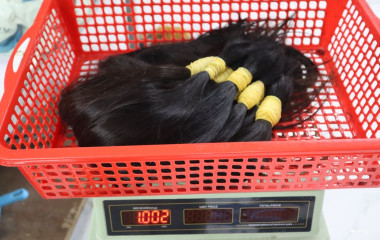
Every Hair Vietnam bundle is weighed to 100 g, give or take one gram, so you can compare fullness against another supplier on the same weight.
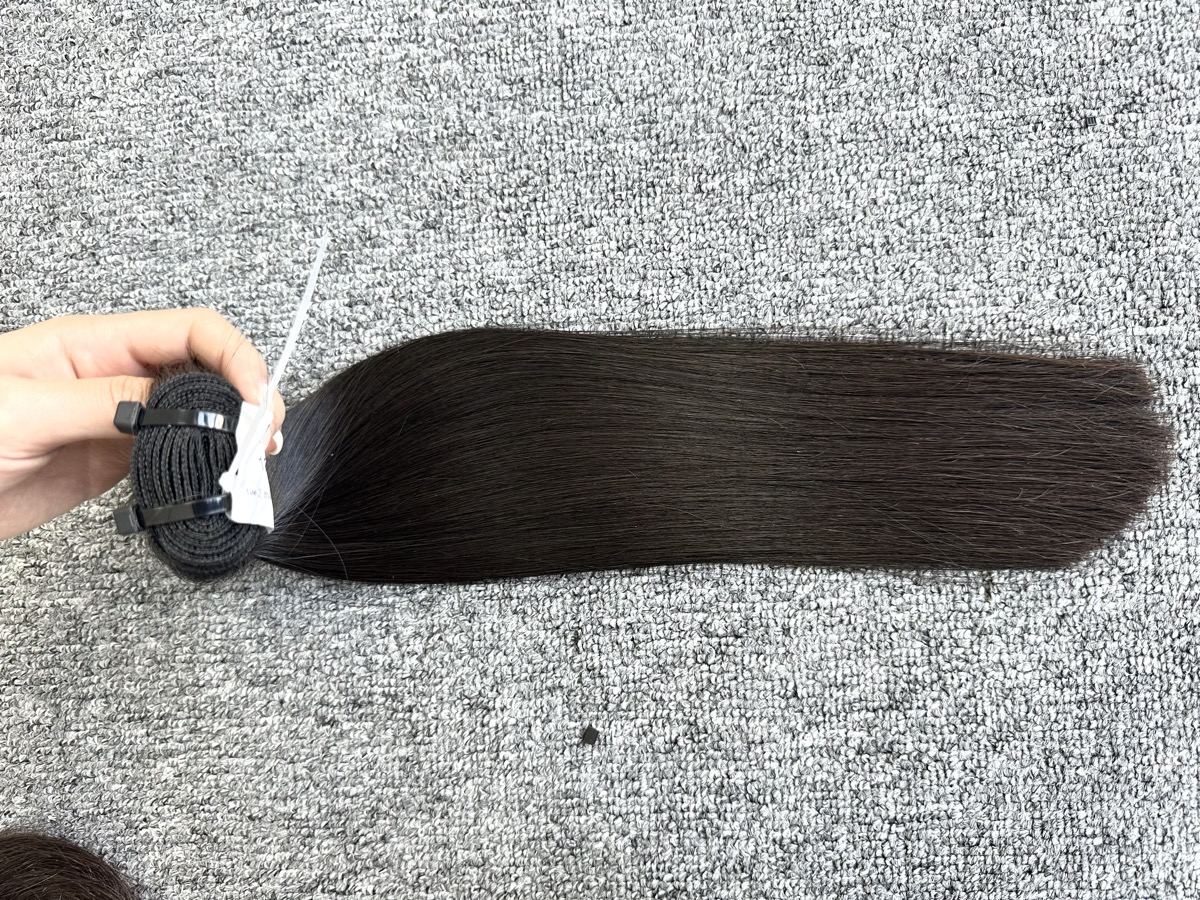
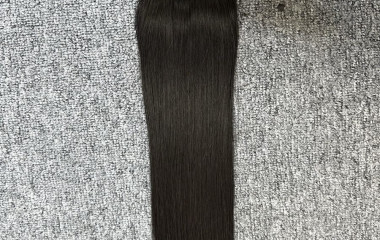
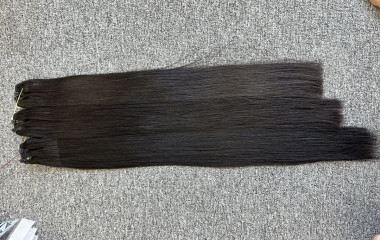
A hand holds the weft of a long straight dark hair bundle laid flat on a carpet
The real strand difference shows up in styling. A thick Vietnamese strand handles regular flat-ironing well. It's also dark and dense, so it lifts more slowly when bleached. Take it up in stages rather than one hard lift. Finer, wavy Indian hair is easy to style but can get dry at the ends if a client flat-irons it straight every day. For a closer look at what "processed" really means, see our breakdown of raw versus virgin hair.
Price per bundle isn't the number that matters to your margin. Say you stock 18-inch straight. A cheaper bundle that thins out around 14 inches means a client needs an extra bundle for the same fullness, or you get a complaint about thin ends a month in. Weigh each bundle, measure how much hair actually reaches the stated length, then work out what you're paying per usable inch.
At Hair Vietnam, the minimum bundle order is 300 g, which is three bundles. You can order a single sample bundle in the exact length and texture you plan to buy. It's billed at retail price plus shipping and isn't credited against the first order. Our wholesale terms cover payment and shipping.
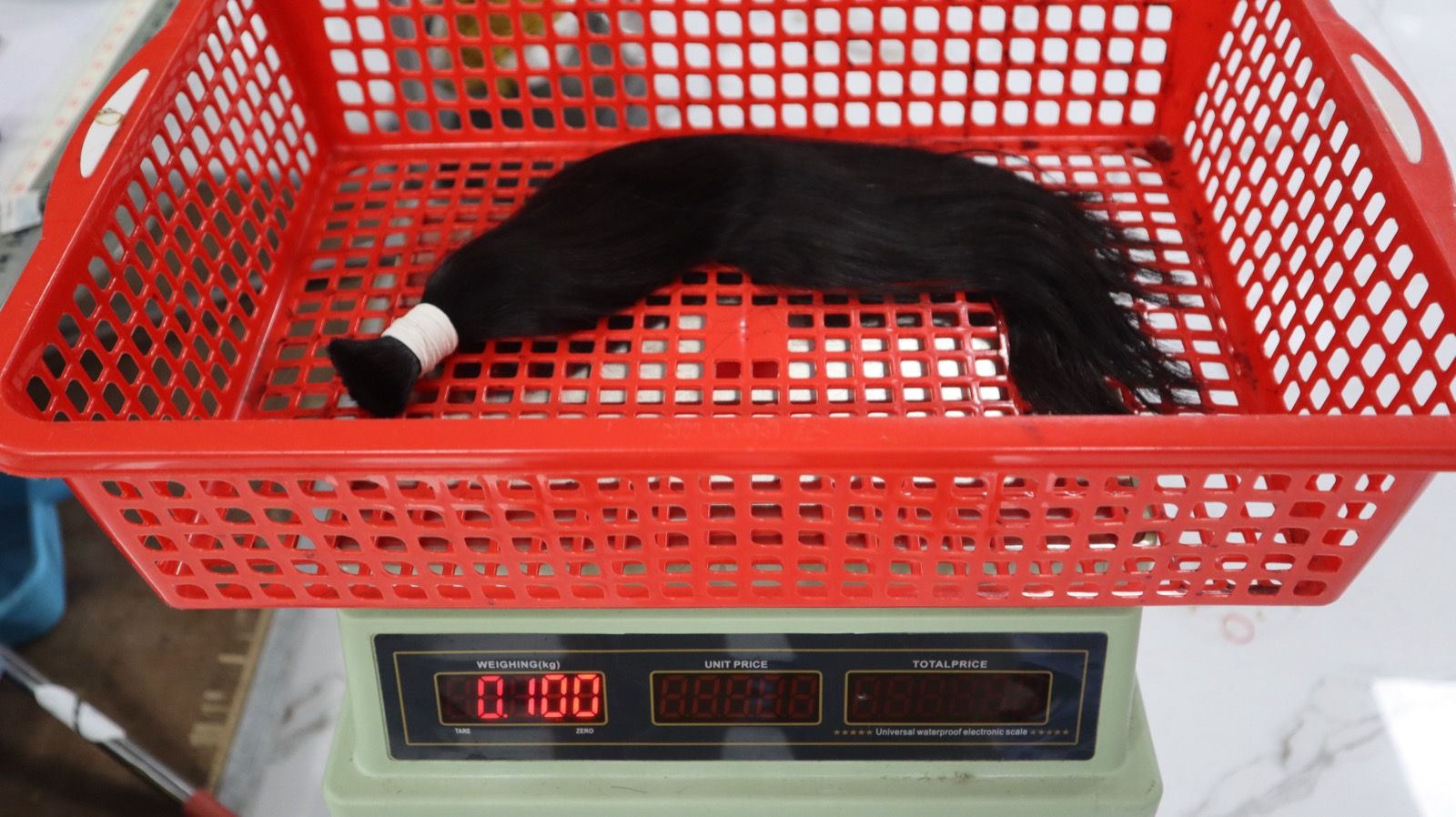
A bundle of dark hair on a digital scale reading 100 grams
If Vietnamese hair suits your clients, our loose Vietnamese bulk hair is the usual starting point for wig makers, and bundles start at 300g. Send us your lengths and textures on WhatsApp and we'll set up a sample bundle you can put next to the hair you sell now.
What Is Raw Vietnamese Hair?
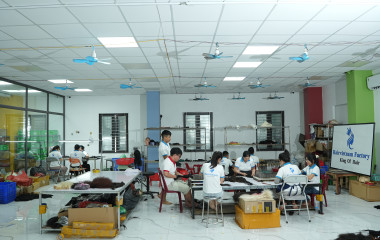
Raw Vietnamese hair is hair cut from Vietnamese donors that hasn't been colored, permed, steamed or coated. At Hair Vietnam, raw means one donor per bundle, never mixed with anyone else's hair. Our virgin line is different: it combines two or three raw ponytails that match. Neither gets chemical treatment or steam. The hair is washed, sorted by length, weighed and sewn into wefts, and every one of those steps happens at our workshop in Dong Tho, Bac Ninh.Most Vietnamese hair grows straight, dark brown to black, with a thick, strong strand and the cuticle still on and running one way. Some donors have a natural wave or bend. We sell that as wave hair as it grew, without steaming a pattern into it. Our raw Vietnamese hair guide goes further into how it's sourced and how to pick a good bundle.
What Is Raw Indian Hair?
Raw Indian hair is unprocessed hair from Indian donors, and it reaches the market through two very different routes. Temple hair is cut or shaved at temples as a religious offering, then sold on by the temples. Collected hair is gathered from combs and brushes, house to house, by village collectors.That difference matters more than the country. Temple hair can keep its cuticles aligned if it's tied before cutting. Collected hair has roots and tips facing every direction, so it tangles unless it's acid-washed or coated, and it's usually sold as non-remy or processed hair. Both can end up labeled "raw Indian hair." So when two vendors quote you very different prices for it, they may be selling two different products.
Natural Indian hair runs from straight to loose wave to curly, often with a medium or finer strand, in shades from black to soft dark brown. If you're sourcing from India, we've written about what to look for in raw Indian hair vendors
Key Differences Between Vietnamese and Indian Raw Hair
Here's the short version. Each row assumes untouched hair from a donor stream you can trust, which is a big assumption in this market.| Factor | Raw Vietnamese hair | Raw Indian hair |
| Usual natural texture | Straight, some soft wave | Body wave to curly, some straight |
| Strand | Thick, dense, dark | Medium to fine, lighter feel |
| Supply | Smaller, mostly from Vietnam | Very large, temple and collected |
| Price per bundle | Higher | Usually lower |
| Best fit | Sleek installs, wigs, bulk | Wavy installs, budget lines |
Texture and Natural Appearance
Vietnamese hair reads as straight. Even the wavier bundles tend to have a soft bend rather than a defined pattern, and the shine is low and natural. It blends best with relaxed or silk-pressed hair, and it's the usual base for bone straight looks.Indian hair has more movement. A lot of it dries with a natural body wave and curls up a little when wet, which helps it blend with naturally textured hair worn out. Clients who want a full, lived-in wave often prefer it.
One warning applies to both. If every bundle in a shipment has the same tight, perfect deep wave, the pattern was probably steamed in. Natural wave varies from donor to donor. If your clients mostly book straight or body wave installs, our Vietnamese weave bundles are sorted by texture and length.
A gloved hand works a brush through a wavy dark hair bundle covered in white foam on a steel table
Hair Thickness and Fullness
There are two kinds of thickness here, and sellers mix them up. Strand thickness is about the hair itself. Vietnamese strands are thicker on average, so a 100 g bundle looks denser and holds up as a fuller install. Indian strands are often finer. That gives a softer, lighter install that moves well, but long lengths can look thin sooner.Bundle fullness is about how much short hair was left in, and that's down to the factory, not the country. A bundle can be thick-stranded Vietnamese hair and still taper to a wisp if it's single drawn. Temple hair comes in many lengths at once, so it needs careful drawing to keep the ends full. Our guide to single drawn and double drawn hair shows what that looks like side by side.
Every Hair Vietnam bundle is weighed to 100 g, give or take one gram, so you can compare fullness against another supplier on the same weight.
A hand holds the weft of a long straight dark hair bundle laid flat on a carpet
Hair Strength and Longevity
Processing matters more here than origin. Untouched raw hair from either country can last a long time, and with proper care raw hair can last a year or more, sometimes much longer. Acid-washed, steamed or silicone-coated hair loses part of its cuticle, so it tangles and dries out sooner, whichever country it came from. You'll see online claims like "five years for Vietnamese, one year for Indian." We haven't seen any testing behind numbers like that, and we wouldn't repeat them to clients.The real strand difference shows up in styling. A thick Vietnamese strand handles regular flat-ironing well. It's also dark and dense, so it lifts more slowly when bleached. Take it up in stages rather than one hard lift. Finer, wavy Indian hair is easy to style but can get dry at the ends if a client flat-irons it straight every day. For a closer look at what "processed" really means, see our breakdown of raw versus virgin hair.
Wholesale Pricing and Value
Indian hair is usually cheaper per bundle. Supply is huge, and collected hair costs little to gather. Vietnamese hair costs more because there's less of it and most of it is sold straight and long.Price per bundle isn't the number that matters to your margin. Say you stock 18-inch straight. A cheaper bundle that thins out around 14 inches means a client needs an extra bundle for the same fullness, or you get a complaint about thin ends a month in. Weigh each bundle, measure how much hair actually reaches the stated length, then work out what you're paying per usable inch.
At Hair Vietnam, the minimum bundle order is 300 g, which is three bundles. You can order a single sample bundle in the exact length and texture you plan to buy. It's billed at retail price plus shipping and isn't credited against the first order. Our wholesale terms cover payment and shipping.
A bundle of dark hair on a digital scale reading 100 grams
Which Raw Hair Is Better for You?
Pick by your clients, not by the origin label.- Choose Vietnamese hair if your clients want sleek straight or bone straight installs, wear their hair silk-pressed, or you make wigs and need a dense, heavy base.
- Choose Indian hair if your clients want a natural wave that blends with their own texture, prefer a lighter install, or you're building a lower-priced line.
- If you sell both, label them by origin and don't mix them in one install. The strand difference shows.
If Vietnamese hair suits your clients, our loose Vietnamese bulk hair is the usual starting point for wig makers, and bundles start at 300g. Send us your lengths and textures on WhatsApp and we'll set up a sample bundle you can put next to the hair you sell now.

Tôi là Founder kiêm CEO của công ty thiết kế thi công nội thất Best Design. Tôi không ngừng cố gắng để tìm ra các giải pháp thiết kế nội thất, thi công nội thất đẹp, độc đáo với nhiều phong cách nội thất, giúp gia chủ tối ưu chi phí nhất. Mỗi dự án dù lớn hay nhỏ thì tôi luôn tập trung cao độ để mang đến cho quý khách hàng những bản vẽ thiết kế, phương án thi công nội thất hoàn mỹ nhất! Qúy khách hàng cần được tư vấn hỗ trợ có thể liên hệ trực tiếp với tôi nhé! Rất hân hạnh được phục vụ và đồng hành cùng quý khách trong hành trình kiến tạo không gian sống!
 |
 |
 |
 |